Upgrade Your Space: The Definitive Guide to Stunning Bathroom Renovations
Renovating a bathroom can be a complex task. It necessitates merging aesthetics with utility. Every choice influences the final result. From modern materials to intelligent technology, the possibilities are extensive. Homeowners often overlook the potential for maximizing space and efficiency. Grasping these factors is crucial. As the project unfolds, one must evaluate how to create a sanctuary that reflects personal style and sustainability. What decisions will achieve the perfect balance?
Understanding Your Bath Space's Possibilities
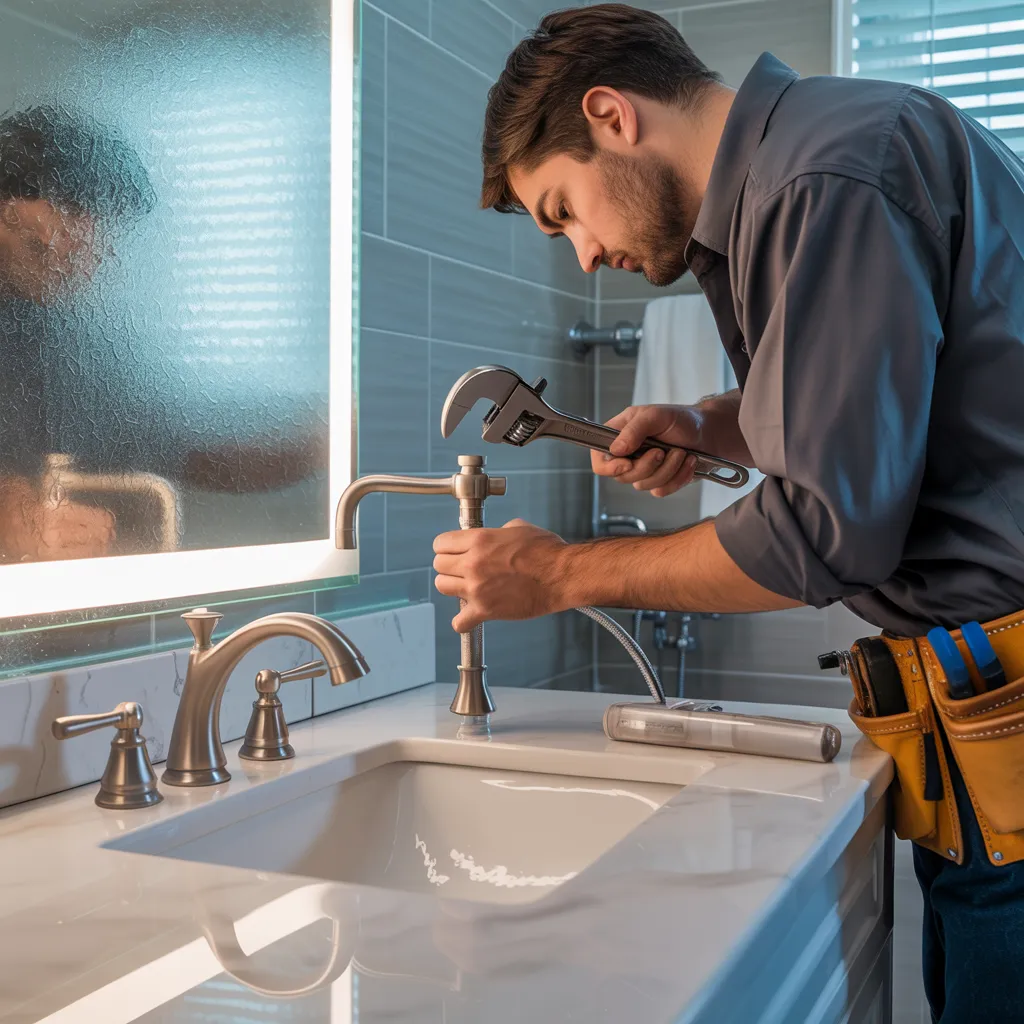
How does one fully understand the potential of a bathroom space? Recognizing the present layout and features is crucial. A bathroom commonly serves various functions, from a swift morning routine to a soothing evening retreat. Assessing the existing plumbing, lighting, and storage options helps homeowners to identify spaces for improvement. Recognizing the size and shape of the space can spark creative solutions, such as maximizing vertical storage or incorporating multifunctional furniture. Furthermore, examining the natural light and ventilation can boost the overall ambiance. By visualizing how the bathroom might evolve, residents can discover its hidden potential, making it not only a practical zone but also a personal sanctuary. This foundational understanding creates the foundation for thoughtful renovations.
Picking the Right Style and Theme
What factors determine the ideal bathroom style and theme for a homeowner? Homeowners ought to examine color palettes, fixtures, and materials that align with their personal aesthetic. A modern bathroom typically features sleek lines, neutral tones, and minimalist accessories, while a traditional theme might display ornate details, rich woods, and classic tiles. Coastal styles utilize airy colors and natural textures, fostering a serene ambiance, whereas eclectic designs can blend various elements for a unique touch. Functionality also plays an essential role; styles should meet practical needs and elevate the space's overall flow. Ultimately, the chosen theme should represent the homeowner's personality and create a cohesive look, confirming that the bathroom serves as both a functional space and a personal retreat.
Vital Restoration Aspects
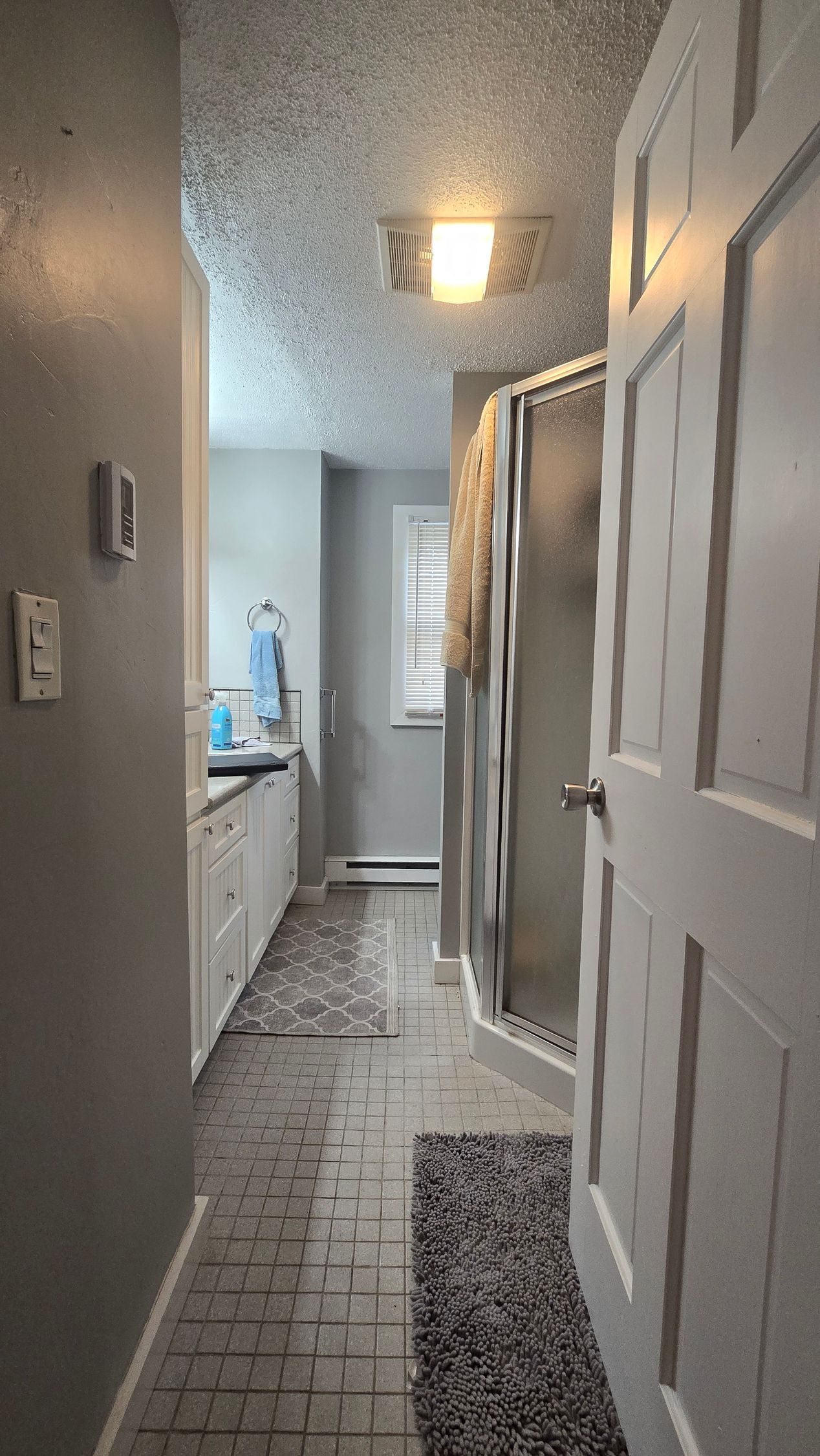
Many factors come into play when organizing a bathroom renovation, and careful consideration of each is crucial for a triumphant outcome. First, setting a budget is essential to avoid overspending and to direct design choices. Next, examining the existing plumbing and electrical systems can stop costly modifications later. Space planning is another important consideration, confirming that the layout improves functionality and flow. Selecting appropriate lighting is vital, as it can substantially impact the ambiance and usability of the space. Additionally, ventilation should be addressed, as it aids in stop moisture buildup and mold. Finally, incorporating accessibility features can boost usability for all family members, making the bathroom a more inclusive environment.
Modern Materials and Fixtures
Integrating innovative materials and fixtures can significantly enhance both the aesthetic and functional aspects of a bathroom renovation. High-performance options such as quartz and recycled glass countertops offer lasting quality while contributing to a sleek appearance. Water-saving fixtures, including low-flow toilets and touchless faucets, not only encourage sustainability but also introduce modern convenience. Furthermore, the use of large-format tiles can create an illusion of space, limiting grout lines for a clean look. Innovative lighting solutions, such as LED mirrors and backlit sconces, add ambiance while improving visibility. Additionally, smart technology, such as programmable thermostats and voice-activated controls, enhances user experience. These advancements confirm that a bathroom renovation remains not only stylish but also practical for contemporary living.
Enhancing Room and Usability
Maximizing space and functionality in a bathroom is vital for creating an efficient environment. Implementing smart storage solutions, open layout designs, and multi-functional fixtures can significantly enhance usability. These elements work together to transform even the tiniest bathrooms into efficient and stylish spaces.
Clever Storage Solutions
While many homeowners face the challenge of limited space in their bathrooms, intelligent storage options can convert even the tiniest spaces into practical sanctuaries. Utilizing vertical space is essential; wall-hung shelving or cupboards can hold bathroom essentials and linens without taking up floor area. Additionally, dual-purpose furniture, including vanities with incorporated storage, enhances practicality. Corner storage solutions maximize traditionally overlooked areas, whereas bins and baskets can systematically organize supplies under sinks. Incorporating hooks and racks for towels and accessories further enhances accessibility. Through a strategic approach to organization, property owners can establish an orderly space that both appears elegant and satisfies their everyday requirements effectively. Prioritizing storage solutions is essential for an effective bathroom remodel.
Open Floor Plan Designs
Clever storage systems can lay the groundwork for a more airy and inviting atmosphere in the bathroom. An open layout design highlights spaciousness, enabling a seamless flow between different areas. By getting rid of barriers such as oversized cabinets and traditional vanities, homeowners can develop a visually expansive environment. Using wall-mounted shelves and built-in niches can sustain aesthetic appeal while maximizing functionality. Incorporating large mirrors can also elevate the perception of space, reflecting light and creating a lighter ambiance. Additionally, opting for a walk-in shower in place of a bathtub can further open up the layout, making the area feel less restricted. Overall, open layout designs emphasize both practicality and style, transforming bathrooms into tranquil retreats.
Multi-Purpose Fixtures
In modern bathroom renovations, multipurpose fixtures appear as vital features that enhance both space and utility. These creative solutions provide diverse capabilities, enabling homeowners to optimize utility while reducing disorganization. For example, vanities with integrated compartments can store toiletries and linens, decreasing the need for additional cabinetry. Combined shower and bathtub units provide versatility, catering to diverse preferences in bathing options. Wall-attached taps free up counter space and streamline cleaning, while heated towel racks deliver warmth and accessibility without occupying floor space. Additionally, smart mirrors fitted with LED lighting and Bluetooth speakers blend aesthetics with technology, elevating the overall experience. Highlighting efficiency, these fixtures not only elevate the design of a bathroom but also fulfill the practical needs of modern living.
Integrating Smart Technology and Sustainability
Integrating smart technology into bathroom renovations can boost both convenience and efficiency. Smart fixtures, such as touchless faucets and programmable showers, offer benefits like water conservation and energy savings. Moreover, choosing eco-friendly materials promotes sustainability, creating a bathroom that is both contemporary and environmentally responsible.
Benefits of Installing Smart Fixtures
As property owners progressively look to improve both practicality and eco-friendliness in their bathroom spaces, the integration of smart fixtures has emerged as a compelling solution. These innovative fixtures, including hands-free faucets and automated showers, offer multiple advantages that suit contemporary lifestyles. They promote water conservation by automatically controlling water flow and heat levels, substantially minimizing waste. Additionally, smart lighting systems can be configured to maximize energy use, also promoting a sustainable environment. Numerous intelligent fixtures additionally offer users with data on water usage, assisting in detecting water loss or system problems. All in all, the integration of smart technology in bathroom remodeling not only enhances the homeowner experience but also corresponds to eco-friendly practices, making it an desirable selection for selective property owners.
Green Materials Options
Eco-friendly materials have become a cornerstone of contemporary bathroom renovations, especially when paired with smart technology. Homeowners progressively opt for sustainable options such as bamboo flooring, recycled glass tiles, and low-VOC paints. These materials not only minimize environmental impact but also enhance indoor air quality. Integrating smart technology, like water-efficient fixtures and energy-saving lighting, further strengthens sustainability efforts. For example, smart showerheads can track water usage, while programmable thermostats improve energy consumption. Such innovations allow for a luxurious experience without sacrificing environmental responsibility. Ultimately, combining eco-friendly materials with smart technology creates a harmonious balance between design and environmental stewardship, drawing in environmentally conscious consumers seeking to transform their bathrooms into stylish yet responsible spaces.
Frequently Asked Questions
What's the Average Timeline for a Bathroom Renovation?
A typical bathroom renovation takes approximately four to six weeks to complete. This timeframe might differ depending on the complexity of the project, the availability of materials, and the contractor's schedule, among other Tub To Shower Conversion Connecticut influencing factors.
What Is the Typical Cost of Renovating a Bathroom?
The typical cost for a bathroom renovation ranges from $5,000 to $15,000, based on factors such as materials, size, and labor costs. Upscale renovations often exceed $30,000, particularly when including luxury fixtures and custom designs.
Do I Require a Permit for My Renovation?
Regardless of whether a permit is required for renovations depends on local regulations and the scope of work. Generally, structural changes, plumbing, or electrical work usually require permits, while minor cosmetic updates typically not. Reviewing local codes is advisable.
How Can I Locate a Reliable Contractor?
To find a reputable contractor, you should gather recommendations from family and friends, review online reviews, verify credentials, and complete interviews. Assessing multiple estimates and examining references can also guarantee a dependable choice for your renovation project.
What Should I Do if I Encounter Plumbing Issues?
When facing plumbing concerns, you should immediately disable the water supply, evaluate the issue, and consider reaching out to a licensed plumber. Recording the issue can help with understanding the issue and facilitating repairs.